The Collaborative Future of Robotics
WeAssistBots, a father-and-son robotics company, was founded in Boise in 2015. “At the time I was working for an international packaging company as the head of their robotics program,” explained CEO John Weeks. “I basically commuted to Fresno every week for five years.” When his son who was nearing high school graduation expressed a desire to follow in his footsteps, John made a life-changing decision: he left his job to start WeAssistBots.
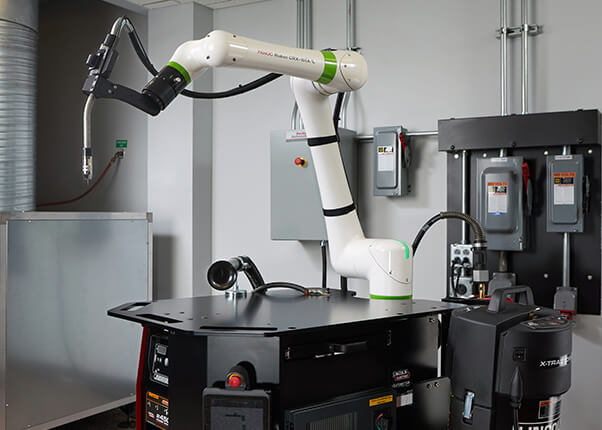
They started working as a team of two, code slinging for Fanuc, one of the world’s leading manufacturers of robots. While his son attended college, they built robots for a wide array of applications. From durable fire robots designed to handle large ingots of molten metal to super high-speed picking and placing applications capable of putting things in boxes at 300 items a minute. “After doing robotics for 35 years, I’ve seen it all,” exclaims Weeks. Traditionally, robots are sold as machines. John Weeks hatched an idea to do things differently using cobots.
What Are Cobots?
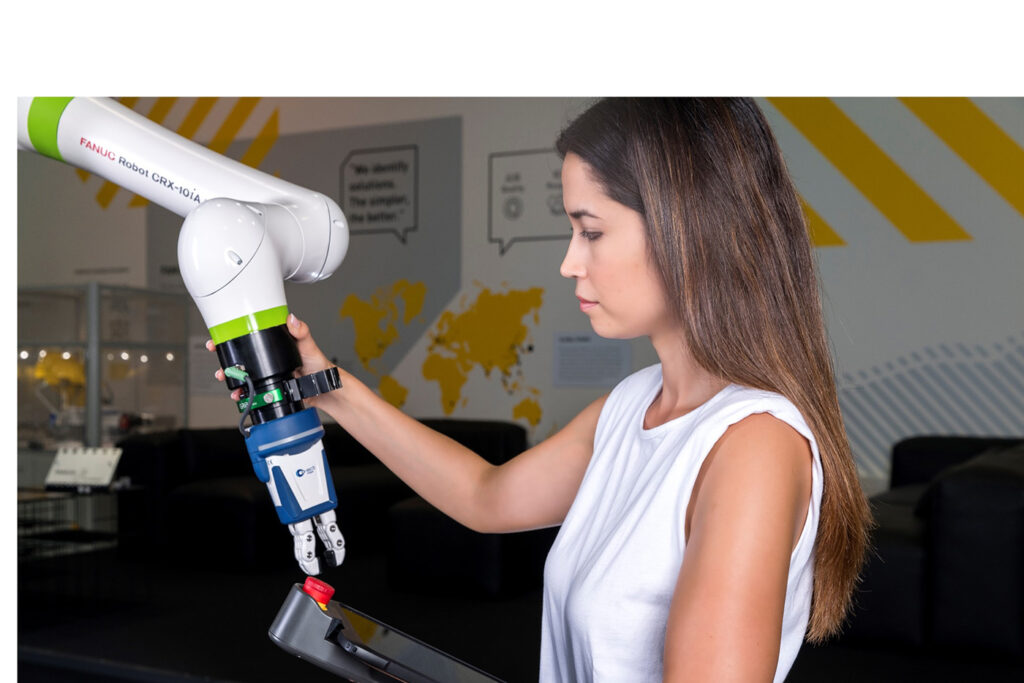
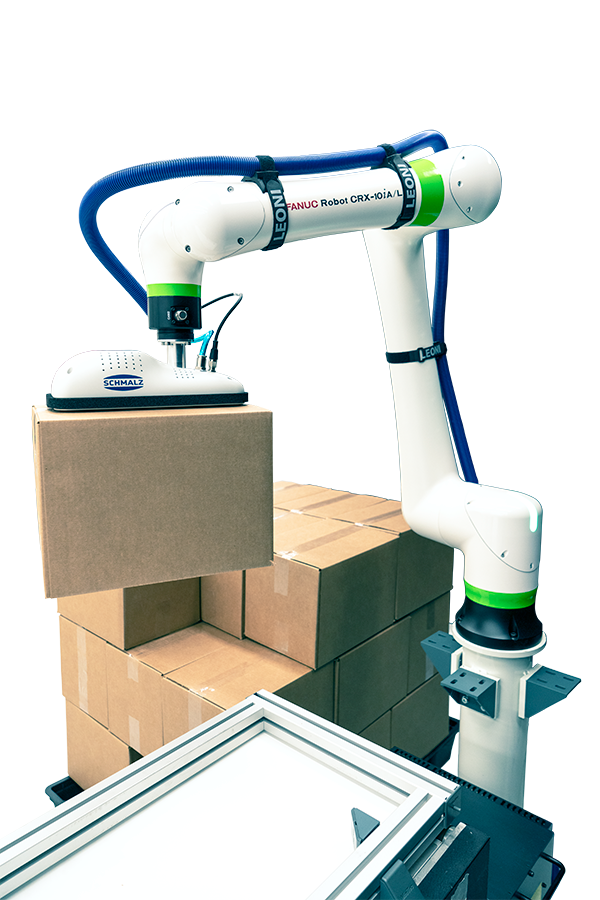
Cobotics – collaborative robotics – refers to a robotic device designed to work alongside humans, unlike traditional robots that operate completely autonomously. Cobots are compact, simple to program, and can be installed quickly. Their ability to learn new tasks and adapt to different functions through user-friendly software make them incredibly versatile in packaging processes, including palletizing and item picking.
“When cobotics came out that kind of was disruptive but no one has ever really pushed it to where I want to take it,” explained Weeks. WeAssistBots doesn’t just build robots, they create cobotic employees. If you deploy a cobotic employee from WeAssistBots, they may be able to do five or six things in your factory. Whereas the standard robot implementation is to operate them in closed work cells, physically walled off to prevent mishaps with human workers, thereby limiting their flexibility. “With cobotics we can do very safe open working directly with humans, augmenting human capabilities,” assured Weeks.
Reimaging the Workforce
Our fear that robots will take our jobs is unfounded. In the future, robots will work alongside humans, not replace them. There are tasks within jobs that should be replaced – tasks that are dangerous, cause repetitive strain or are monotonous or laborious are much better suited to machines than humans. “We basically look at how can we put a robot in to help someone do the worst part of their job,” expounded Weeks. Cobotics uses the human employee for quality control and the expensive things in robotic workcells – the safety measures and motion-sensing equipment.
Conventional tasks in the packaging industry where John began his career – picking, placing, packing, sealing, labeling, stacking, transporting use all five senses. Cobots can be a valuable asset improving efficiency, accuracy and safety. However, integrating cobots into packaging processes can be challenging and often requires the specialized expertise that We Assist Bots brings to the table. “If I just come stand by you and start watching you, you’re probably in trouble,” quipped Weeks. “Because what I’ll do is figure out exactly what you’re doing and teach a robot how to do it.“
A Shift in the Robotics Paradigm
“I think you’re going to see robots in places they haven’t traditionally been,” foretold Weeks. WeAssistBots foresees a shift in the robot paradigm from situational robotics to robotic employees. “What do you want your robot to do for you today?” asked Weeks. “It’s really limited only by one’s imagination and mine is limitless.” As an example, the restaurant industry wouldn’t take the wait staff out of the equation and replace it with a robot. Instead, they would use the robot to support the wait staff – bring the menus, transport the drinks and food, bring the check – allowing humans to remain with the diners and do what they do best, communicate and entertain.
The concept of using one robot for multiple tasks allows for a much higher ROI for robotic employees. “Teach it to tend all day, teach it to pack at night, teach it to palletize in the pre-dawn hours,” explains Weeks on how a robotic employee can easily pay for itself in less than eighteen months. Collaborative robots are definitely changing manufacturing automation as we know it.
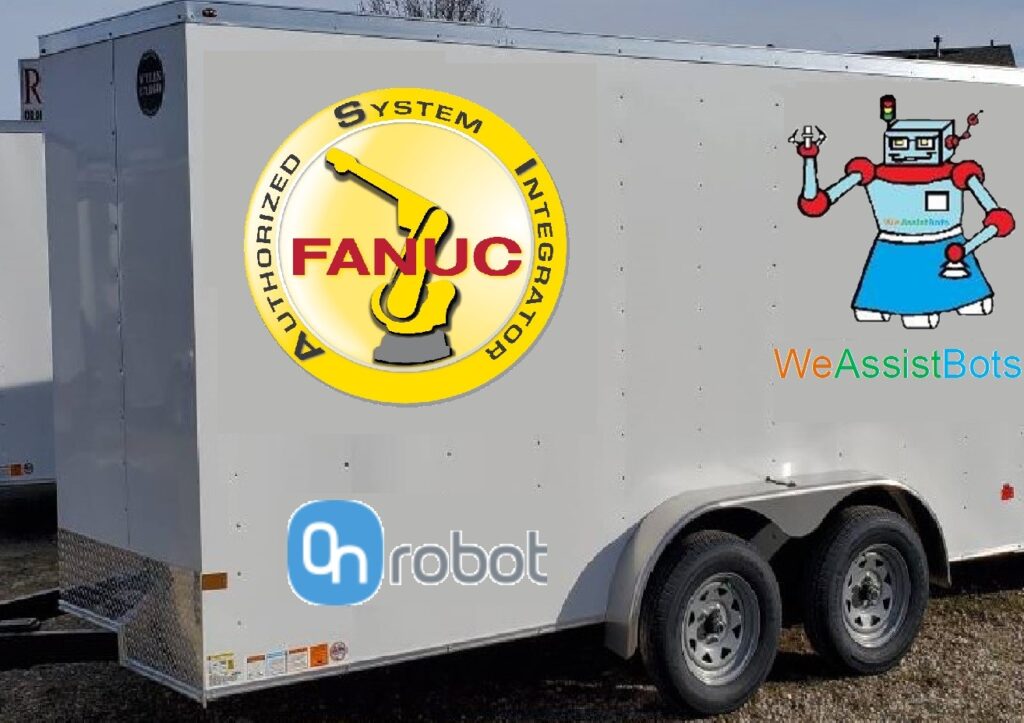
If you’re interested in empowering your employees by enabling them to perform higher-value tasks, WeAssistBot’s mobile unit is ready to deploy on-site at client facilities. It includes cobotic champions who ensure your human employees are comfortable enough that they can train their robots themselves. This collaborative approach not only boosts company profits but also provides human workers with new skill sets, helping all to stay competitive in an increasingly automated world.